
Shandre Niameogo, MSN, MPH, RN
My name is Shandre Niameogo and I am a highly experienced Registered Nurse with a decade of dedicated service, including six years specializing in the Neonatal Intensive Care Unit (NICU). I am happily married with four beautiful children and two grandchildren, and I love to travel. My professional roles include Phoenix Children's, Valleywise Health, Banner Health, the Arizona Department of Health Services (ADHS), and CommonSpirit Health. Driven by the inherent challenges and the deep satisfaction of achieving positive outcomes in healthcare, I am passionate about helping others and saving lives—qualities that demand both perseverance and courage. My commitment to nursing is complemented by advanced education, I hold a Master's in Science and Nursing and a Master's in Public Health. My experience in caring for individuals, both locally and internationally, fueled a strong commitment to neonates and evidence-based practice, ultimately leading me to pursue and complete my Master's in Public Health. From 2023 to 2025, I served as the Cord Blood Education and Awareness Coordinator intern for ADHS. In this capacity, I actively contributed to the Arizona Cord Blood program through preparedness initiatives, education, and research into the benefits of cord blood. I have had the valuable opportunity to observe cord blood collection procedures and successfully raise public awareness about the program. My current role as a Research Nurse at Chandler Regional allows me to be hands-on in a setting where donations for the cord blood program are possible. I am enthusiastic about advocating for this groundbreaking movement, which is expanding its reach from hospitals into educational, clinical, and research settings.
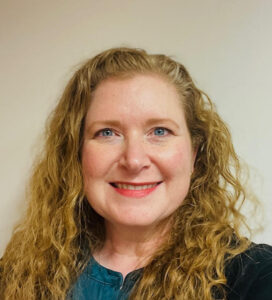
Erin Eaton
With over 25 years of experience in operations management, human resources, strategic planning and business development. Since 202, Erin has served as the Manager for Cord Blood Bank Operations at MD Anderson Cord Blood Bank in Houston, Texas. Ms Eaton has been a key force in expanding the Cord Blood Bank (CBB) at MD Anderson Cancer Center and has been instrumental in the success of strategic partnerships with groups such as the Arizona Public Cord Blood Program. Likewise, she holds a leading role in ensuring that the CBB operations are in accordance with the FDA, HRSA, NMDP, FACT, CAP and CLIA requirements, guidelines, and standards.
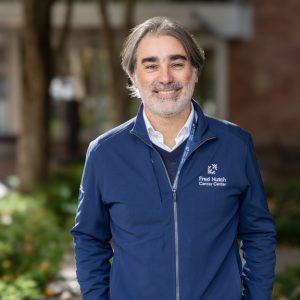
Dr. Filippo Milano, MD, PhD
Dr. Filippo Milano is a physician-scientist specializing in hematology and stem cell transplantation, with a focus on expanding access to innovative cellular therapies. Originally trained in Rome, where they earned their MD from “La Sapienza” University in 2001 and a PhD in Hematology in 2010, Dr. Milano moved to Seattle in 2008 to pursue advanced research and clinical training. They completed a hematology fellowship in 2013 and now serve as Scientific Director of the Cellular Therapy Laboratory and Director of the Cord Blood Transplantation Program at Fred Hutchinson Cancer Center.
A nationally recognized leader in cord blood and alternative donor transplantation, Dr. Milano has published over 100 peer-reviewed manuscripts, including a first-author paper in the New England Journal of Medicine. His work is funded by NIH and foundations, with a strong emphasis on investigator-initiated clinical trials. They serve on multiple committees within the American Society of Hematology and the American Society for Transplantation and Cellular Therapy.
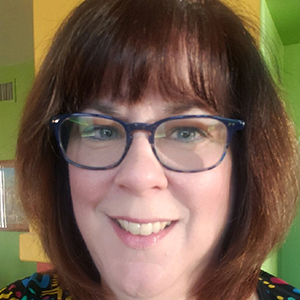
Joan Snelz, MSN-Ed. RN, RNC-OB, ACUE
Joan is a registered nurse with extensive expertise in high-risk obstetrics. She received her Bachelor of Science in Nursing from Indiana University in 1996 and completed her Master of Science in Nursing Education at Grand Canyon University in 2012. Joan’s career includes significant experience across inpatient and ambulatory care settings, as well as within commercial and federal health insurance programs. Since 2002, she has held various nurse educator positions in both hospital-based education and academia. Currently, Joan serves as an NCLEX Success Manager at Grand Canyon University, supporting nursing students as they prepare for their national licensure exam. She also volunteers as the Director of Nursing Education for the Save the Cord Foundation, reflecting her commitment to advancing both nursing education and patient care. Joan resides in Tucson, Arizona.
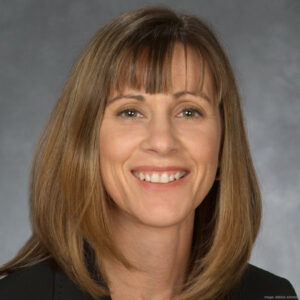
Director Debbie Johnston
Debbie Johnston started her professional career at the Arizona State Senate, where she was a Research Analyst for the Appropriations Committee and the Commerce and Economic Development Committee, and later served as Research Staff Director. For the following 21 years, Ms. Johnston worked for the Arizona Hospital and Healthcare Association (AzHHA), focusing on policy development and regulatory affairs. During her tenure at AzHHA, Ms. Johnston served on various boards and committees at the Arizona Department of Health Services, including the State Trauma Advisory Board and the Arizona Health Improvement Plan Steering Committee. She retired earlier this year as Executive Vice President for the Association. In November 2025, Governor Hobbs nominated Ms. Johnston to serve as the Director of the Department of Health Services, where she now awaits Senate Confirmation. A third generation Arizonan, Ms. Johnston is a graduate of Loyola Marymount University and Arizona State University.
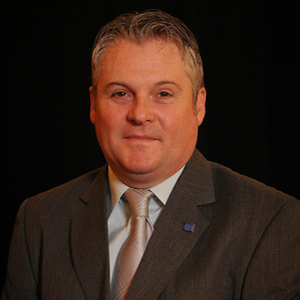
Dr. Victor Waddell
Victor Waddell, Ph.D., is the Director of the Arizona State Public Health Laboratory and Executive Director for the Arizona Biomedical Research Center which includes the Arizona Public Cord Blood Program. Dr. Waddell earned his doctorate in Molecular Biology and Genetics at Queen’s University Belfast, N. Ireland. His other degrees include a Master of Science in Environmental Sciences and a Bachelor of Science in Biological Sciences also from Queen’s University Belfast. He has published many articles relating to both Public Health and Molecular Biology. Dr. Waddell has worked for the Arizona State Public Health Laboratory since 2001, and is responsible for overseeing the entire laboratory including the Chemistry, Microbiology, Newborn Screening, BioEmergency Response, and Chemical Emergency Response Sections at the State Laboratory. Dr. Waddell served as President of the Association of Public Health Laboratories from 2011- 2012 and is currently President of the Clinical Laboratory Standards Institute.
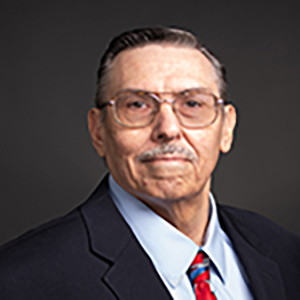
Mr. John Garcia, MBA, CPM
Since 2020, John Garcia has served as the Program Director of the Arizona Biomedical Research Centre (ABRC). Mr. Garcia oversees the distribution of grant funds to biomedical researchers and to Arizona universities to educate their faculty, staff, students, and the public. He also manages the Arizona Public Cord Blood Program. He earned a Master of Business Administration with an emphasis in Information Technology Administration from University of Arizona Global Campus (formerly Ashford University). Mr. Garcia also completed a Bachelor of Arts degree in Management with the University of Phoenix. Additionally, he also received certification as a Public Manager through Arizona State University. His career in public service spans 40 years. John's work includes information technology, grant administration, public policy, budget, finance, and criminal justice administration.
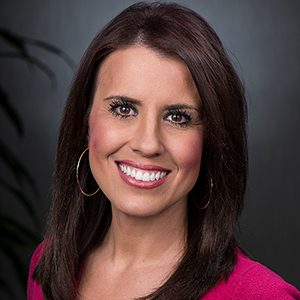
Kimberly Romo, Master of Ceremonies
Kimberly Romo is currently the Director of Business Operations for Marana Health Center Healthcare, also known as MHC Healthcare, where she oversees 17 community health clinics. She is proud to have served on the Save the Cord Foundation board for more than a decade. A native of Tucson, Kimberly spent the first 11 years of her career as a broadcast journalist before transitioning to healthcare in 2012. Since then, she has spent time in the acute, post-acute and behavioral health space where she leveraged her vast experience in communications, media relations, business development and revenue operations to drive companies forward. Helping establish Arizona's first public cord blood donation program at Tucson Medical Center remains one of her proudest professional accomplishments.
38% of African Americans,
31% of Native Americans,
27% of Hispanics,
12% of Caucasians and
51% of Native Hawaiian or other Pacific Islanders rely on cord blood transplants.
Many people are still unable to find a match.
Adding diverse units of umbilical cord blood to the registry increases the likelihood that all patients will find a match.
have been used in transplants to treat or cure life-threatening diseases and hundreds of cord blood units have been banked and listed on the registry for potential transplantation.
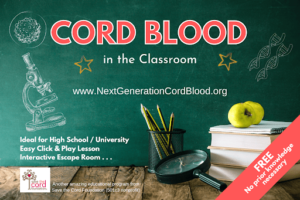 The Arizona Public Cord Blood Program is working to expand cord blood education to the next generation – students, as well as to expectant parents, health professionals, and the public. This new and innovative program was launched November 15, 2024. Click the image above for more information.